
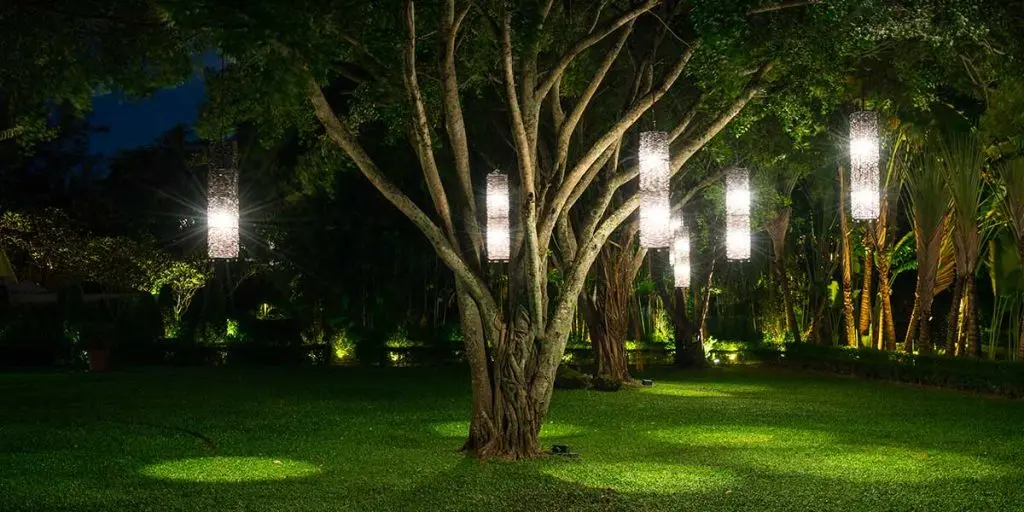
You let your dog outside after sunset and notice a loose path light along its favorite running route. You straighten the fixture, but its position leaves it vulnerable to another bump the next evening. Planning landscape lighting in Austin around your pet’s habits can help prevent these recurring problems.
A thoughtful layout keeps the yard visible after dark while giving pets room to move comfortably. In this guide, Austin Outdoor Lighting Design explains pet-friendly landscape lighting tips to help homeowners plan a setup that suits everyday life, starting with the areas their pets use most.
Which Areas of Your Yard Need Light?
Start by watching how your pet uses the yard after sunset. Follow the route from the back door to its usual bathroom spot, and note stretches where darkness makes the ground hard to see.
In a dog-friendly yard, steps and gate approaches may need extra illumination so changes in footing remain visible. This assessment helps focus outdoor lighting on the surfaces your pet needs to navigate after dark.
What Should You Look for When Choosing Fixtures?
Fixture durability is an important part of pet-safe lighting. Choose sturdy, outdoor-rated landscape lighting fixtures with enclosed light sources and durable housings that protect the internal components from moisture and accidental contact.
LED bulbs generally produce less heat than halogen bulbs, but the surrounding fixture can still become hot during use. A cooler light source also does not make equipment safe for a pet to chew. Review the manufacturer’s specifications for the complete fixture, including its intended installation conditions, rather than judging suitability by the bulb alone.
How Can You Keep Fixtures Away From Active Paws?
Following pet-friendly landscape lighting tips helps homeowners choose fixture locations that accommodate their pets’ activity. Use the following strategies to reduce contact:
- Running routes: Position fixtures outside the tracks your dog follows when racing across the yard.
- Digging spots: Keep ground-mounted lights away from areas your pet regularly excavates.
- Garden boundaries: Use stable edging where appropriate to separate lighting beds from play areas.
Mount protected light fixtures firmly so they stay in place, and leave enough room around them for cleaning or repairs.
How Should You Protect Wiring and Connections?
Low-voltage lighting uses a transformer to reduce standard household voltage before supplying power to the lights. That lower voltage does not make damaged cables harmless or eliminate the need to protect the system’s electrical components.
Install cables according to the manufacturer’s instructions, using the specified burial depth or protective covering where required. Avoid leaving loose lengths on the soil where a pet can pull or chew them. Keep connections enclosed in suitable outdoor-rated connectors, and place the transformer beyond your pet’s reach.
When learning more about landscape lighting, review how power reaches each light. Cable protection needs attention along the full run, including connection points between fixtures. Pay attention to where wiring enters each fixture, as short exposed sections can be easy to overlook.
How Can You Make Nighttime Lighting More Comfortable?
Shielded fixtures direct light downward, helping illuminate the ground while limiting light that shines into your pet’s eyes. View the illuminated yard from roughly your pet’s eye level to spot glare that may be less obvious when standing.
Use moderate brightness and warm-colored light to create a softer nighttime setting. Timers or dimming controls can adjust output as the evening progresses. For a late bathroom trip, essential lights can stay on while decorative fixtures switch off.
How Can You Maintain Your Landscape Lighting?
Weather and daily use can alter how your system performs, so check its condition periodically and after storms. Follow these routine maintenance steps to keep it working optimally:
- Fixture condition: Look for cracked covers or loosened mounting hardware.
- Cable exposure: Check for newly uncovered wiring or visible chew marks.
- Plant growth: Trim foliage that conceals fixtures or obstructs their light.
If you see damage, switch off affected equipment and have a qualified professional assess it before resuming use. These landscape lighting tips make ongoing maintenance part of caring for a pet-friendly yard.
Plan a Pet-Friendly Yard With Austin Outdoor Lighting Design
Austin Outdoor Lighting Design incorporates pet-friendly landscape lighting tips into custom residential plans and provides installation with ongoing maintenance support.
For homeowners concerned about insects, our guide to lighting that does not attract bugs explains how lighting choices can reduce insect attraction, although no outdoor bulb keeps insects away completely. To discuss a lighting plan for your Austin property, call us at (512) 585-8000.

With over 17 years of hands-on industry experience, founder James Snow leads a unique “Dream Team” of designers and technicians at Austin Outdoor Lighting Design. Specializing in high-end residential, commercial, and security lighting, James combines low-voltage LED innovations with custom architectural techniques to make the winning difference for properties across Greater Austin.