
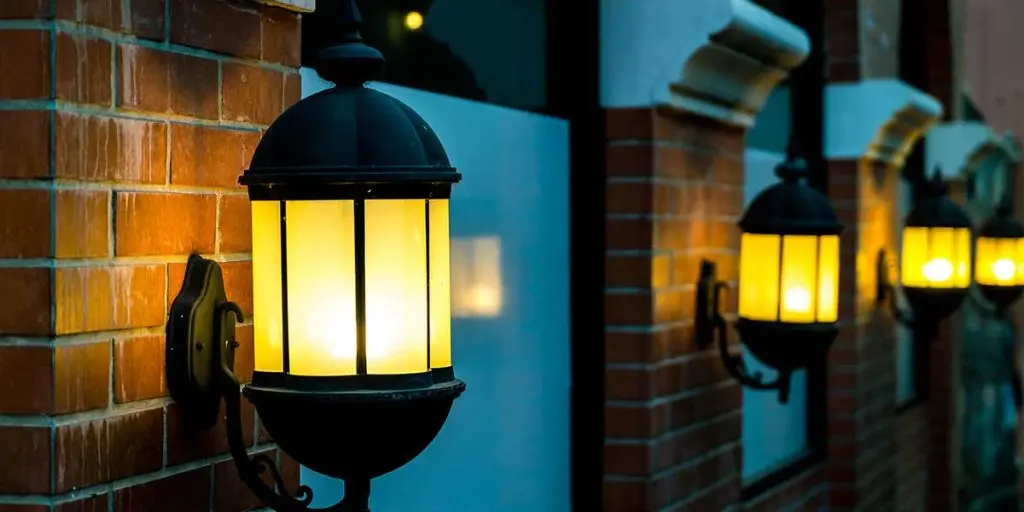
Patio lighting should make evenings more inviting, not surround every fixture with moths and gnats. Each bulb’s color temperature and wavelength can influence how many insects gather nearby. For example, warmer tones preserve a relaxed atmosphere without making patios, walkways, or entry areas feel dim or unwelcoming
Austin Outdoor Lighting Design provides professional outdoor lighting services for homeowners throughout Austin, TX. This guide covers outdoor lights that do not attract bugs and the fixture features that can make evenings outside more comfortable.
Can Outdoor Lights Eliminate Bug Activity?
No outdoor bulb can guarantee a completely insect-free space. That said, certain lighting options may be less appealing to flying insects than conventional bright white bulbs. The number of bugs nearby may still vary depending on the season and surrounding environment.
What Makes Some Outdoor Lights Attract Bugs?
Flying insects respond more strongly to certain wavelengths than people do. Blue and ultraviolet light are particularly visible to many species, which is why cool white bulbs can draw insects from surrounding areas.
Artificial lighting may also interfere with the natural navigation methods insects use after dark. Instead of traveling past the property, they may circle repeatedly around the light source. Daylight LEDs and fluorescent tubes are common insect-attracting lights because they may produce more short-wavelength light than warmer alternatives.
What Should You Look for in Bug-Repellent Light Bulbs?
Bug-repellent light bulbs are designed to reduce the wavelengths that commonly attract flying insects. Consider these outdoor lighting tips when comparing available options:
- Amber or yellow output: Warm-colored LED lights limit the amount of visible blue light.
- Low color temperature: Bulbs with warmer ratings create a softer glow.
- Moderate brightness: Use only the light level needed to avoid attracting insects from farther away.
Reviewing the above factors can help you compare products beyond the “bug light” label.
How Do Fixtures Help Reduce Bug Activity?
The design and positioning of outdoor lighting fixtures can further reduce insect activity, even when the correct bulbs are already in place. Keep the following in mind when selecting bug-resistant outdoor lights:
- Enclosed fixtures: Glass or covered housings create a barrier around the bulb.
- Motion sensors: Lights remain off when an area is not being used.
- Strategic placement: Positioning fixtures away from doors can reduce the number of insects entering the home. Shielding the light downward can further reduce glare and limit its reach.
Combining well-designed fixtures with thoughtful placement limits unnecessary illumination and creates a more comfortable outdoor environment.
Let Austin Outdoor Lighting Design Brighten Your Yard With Fewer Bugs
Choosing outdoor lights that do not attract bugs involves pairing warm-toned bulbs with fixtures that limit unnecessary light exposure. Austin Outdoor Lighting Design helps homeowners select and position lighting that improves visibility while reducing insect activity throughout frequently used outdoor areas.
Use our outdoor lighting placement guide to determine where each fixture should be installed for better coverage and comfort. Call us at (512) 601-4844 for professional outdoor lighting services throughout Austin, TX.

With over 17 years of hands-on industry experience, founder James Snow leads a unique “Dream Team” of designers and technicians at Austin Outdoor Lighting Design. Specializing in high-end residential, commercial, and security lighting, James combines low-voltage LED innovations with custom architectural techniques to make the winning difference for properties across Greater Austin.