
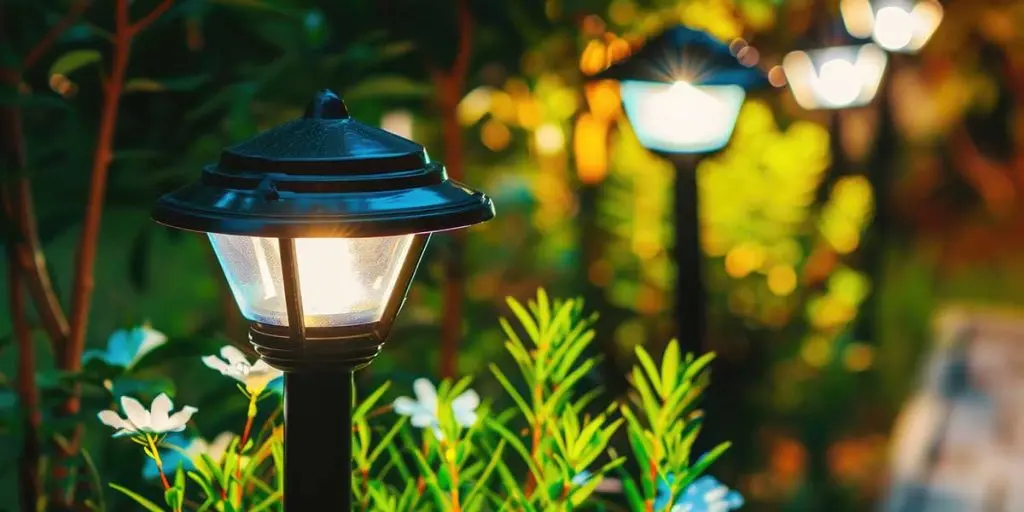
Comfortable ambient illumination wraps a yard in soft, reflected light, while glare occurs when an exposed bulb or diode shines directly into your eyes instead of onto its intended surface. Preventing landscape lighting glare begins with recognizing that difference before installation, since careful beam control can reduce temporary night blindness and eye fatigue. It also supports light trespass reduction by limiting spill onto neighboring properties while keeping the yard warm and directing attention toward architecture and foliage rather than hardware.
James Snow founded Austin Outdoor Lighting Design in 2007 and now brings nearly two decades of hands-on installation experience to projects across Central Texas. Led by a Certified Garden Light Designer, this team of landscape lighting installers in Austin has completed custom projects throughout Austin, Westlake, Travis Heights, and surrounding communities, including security-focused installations and softer garden lighting designs.
Understanding the Primary Causes of Landscape Light Glare
Three common mistakes account for most glare after dark. Proper fixture placement depends on considering where people walk and sit, not only the feature being illuminated.
- Direct sightline exposure: Poorly positioned fixtures can expose bulbs or LEDs directly to sightlines along primary walking paths and seating areas.
- Inappropriate beam spread and lumen output: Setting a fixture’s lumen output too high or choosing an overly wide beam angle creates harsh hot spots across walls and driveways instead of a soft, even wash.
- Incorrect elevation and tilting angles: An uplight installed at ground level and aimed too steeply can throw light beyond its intended tree canopy and into a second-story window. Careful aiming is essential for preventing glare from landscape lighting wherever upper-story sightlines overlook the yard.
Professional Design Techniques To Reduce Glare
A few proven techniques hide the hardware while preserving useful illumination:
- Shrouds and cowls: These attachments conceal the light source, while glare guards provide directional control of the light, ensuring the beam reaches the intended architectural or botanical feature.
- Downlighting and moonlighting methods: Mounting fixtures higher in an oak canopy or beneath an architectural eave casts soft downlight through the branches onto the path below. The result creates a moonlit effect rather than a harsh spotlight.
- Strategic shielding behind natural features: A boulder or low wall can conceal a fixture from direct view. Dense Texas foliage provides similar screening while allowing the light to reach the surrounding space.
- Optical lenses and louvers: Honeycomb louvers and frosted lenses soften the center of an intense beam, creating a smoother transition at the edges. These shielded light fixtures keep the source less noticeable without leaving the intended feature dark.
These methods support the softer, more controlled effects highlighted in current landscape lighting trends while helping the scene feel cohesive rather than overpowered.
Selecting the Right Equipment and Color Temperatures
A soft, warm color temperature between 2,700 and 3,000 kelvins complements local limestone and brickwork without adding a harsh blue undertone. The warmer tone also suits native plant life. Professional low-voltage LED systems preserve that softer effect by allowing more precise beam shaping and lumen control for low-glare lighting.
Preventing glare from landscape lighting over time also depends on fixture construction. Quality brass and copper housings hold their adjustments over time, reducing the sag and drift that can gradually turn a well-aimed fixture into an accidental source of glare.
The Importance of On-Site Nighttime Aiming Adjustments
Fine-tuning every fixture after dark, rather than during a daytime walk-through, reveals problematic sightlines from the driveway and patio. It also shows how the lighting appears from frequently used indoor rooms. A layout that works in Round Rock might not translate to Cedar Park, Georgetown, Travisso, or Leander because lot size and elevation changes can alter fixture sightlines.
Newer landscaping may create different screening needs, while Hyde Park and Old Enfield properties may require different aiming around mature trees and established architecture. As landscaping grows or thins, regular garden trimming may expose fixtures that were once concealed. Seasonal re-aiming after maintenance helps keep the light source out of common sightlines and preserves the intended effect throughout the year.
Elevate Your Evening Landscape With Austin Outdoor Lighting Design
Reducing glare from landscape lighting requires coordinated planning rather than one isolated fix. In each landscape lighting design, a Certified Garden Light Designer can pair optical shielding with careful fixture placement so homeowners can enjoy the benefits of landscape lighting without exposed fixtures dominating the view.
Since 2007, we have paired precise craftsmanship with custom lighting designs while keeping client satisfaction central to each project. Ready to transform your property with low-glare outdoor illumination? Contact Austin Outdoor Lighting Design at (512) 585-8000 to schedule a consultation.

With over 17 years of hands-on industry experience, founder James Snow leads a unique “Dream Team” of designers and technicians at Austin Outdoor Lighting Design. Specializing in high-end residential, commercial, and security lighting, James combines low-voltage LED innovations with custom architectural techniques to make the winning difference for properties across Greater Austin.