
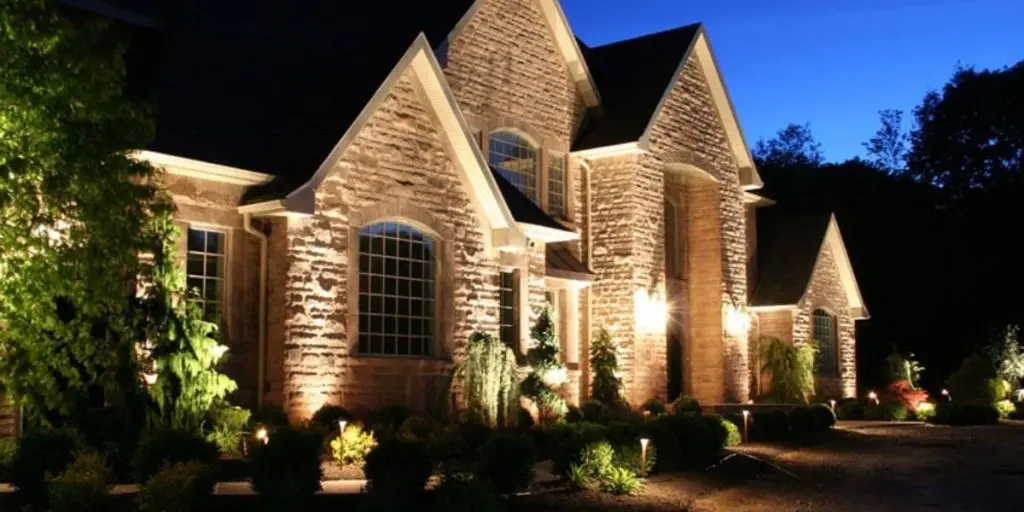
You walk outside after sunset and turn on your landscape lights, only to notice something feels off. Maybe the fixtures glare on your trees or wash out the front of your home in harsh light. Often, the issue is not the bulb wattage but the beam angle.
Beam angle quietly shapes the entire mood of your yard and controls how each light spreads. In this guide, Austin Outdoor Lighting Design will explain how beam angles work and how to choose them appropriately for your space.
How Landscape Lighting in Austin Shapes Your Outdoor Living Areas
A well-planned outdoor lighting system can transform how a property looks after dark and make patios feel more comfortable after sunset. Homeowners exploring landscape lighting in Austin usually want a setup that highlights their best outdoor features without overpowering the natural setting.
Climate and the scale of the landscape guide the design, while oak canopies and stone facades call for a carefully considered spread of light. Thoughtfully chosen angles further prevent glare from spilling into windows, preserving the calm, inviting atmosphere of your evenings. Factors such as soil conditions and the depth at which landscape lighting wire should be buried can also influence the long-term durability of an outdoor lighting system.
What a Beam Angle Means in Outdoor Lighting
A beam angle is the measure of how light spreads from the center of a fixture to its edges. It is recorded in degrees, and the lower the number, the tighter the cone of light. The right beam angle for landscape lighting controls how focused and how natural your yard appears at night.
Common Beam Spreads for Outdoor Fixtures
Most fixtures fall into a few standard ranges, and each one has a clear job. Choosing between spotlights or floodlights comes down to whether you need a sharp accent on architectural pillars or a smooth wash of illumination across large garden walls. Here are the most common spreads you will see when selecting a beam spread for landscape lighting:
- Narrow beams: Beams between 10 and 30 degrees that focus on tall, slim features such as flagpoles or palm trunks.
- Medium beams: Spreads from 30 to 60 degrees that suit smaller trees and the spaces between windows on a home’s facade
- Wide beams: Spans between 60 and 120 degrees, bathing walls and large open lawns in even light
Matching Beam Angles to Different Outdoor Features
Each part of your yard responds best to a specific beam angle for landscape lighting, and small adjustments in degrees can transform the final look. The following sections explain how to make smarter choices about landscape lighting.
Tall Trees and Palms
A 12- to 17-degree beam sends focused light upward through tall branches. Learning the best way to illuminate trees with these narrow upright angles helps emphasize height without spilling light across the surrounding landscape.
Home Facades and Walls
Wide spreads around 60 to 110 degrees cover broad surfaces with smooth, even light. Use these when you want to soften shadows on stucco or stone without creating one harsh hot spot. They also pair nicely with downlights from soffits to layer brightness.
Pathways and Seating Areas
Medium spreads of 35 to 38 degrees give walkways and patios a gentle pool of light that feels inviting after dusk. This forgiving flood lighting beam spread avoids harsh edges while still guiding people along stone pavers.
Architectural Columns and Statues
Narrow beams illuminate tight features such as statues or entryway columns. The accent lighting beam angle works best when the fixture sits a few feet from the base, aiming straight up. Watch the surrounding plants so the light does not spill where you do not want it.
Practical Tips for Picking the Right Beam Spread
Selecting fixtures gets easier once you walk your yard at night with a few sample lights. Keep these pointers in mind when fine-tuning every placement:
- Start with 35 degrees: Homeowners new to lighting can use this medium spread as a starting point.
- Distance factor: The angle of the bulb determines how far back the housing needs to sit from the target object. Following proper outdoor lighting placement rules ensures the light pattern spreads evenly without creating harsh glare zones or dark blind spots.
- Balance light and shadow: Aim for contrast rather than washing every feature in equal brightness, since shadows add depth and drama.
Color temperature also plays a role. Warm 2700K bulbs flatter red and green foliage, while 3000K bulbs suit cool blue or silver leaves on agave and other Austin favorites.
Brighten Every Corner With Austin Outdoor Lighting Design
With the right beam angle for landscape lighting, Austin Outdoor Lighting Design can highlight your home more naturally. We have spent years helping homeowners across Central Texas pair the proper spreads with the right lumens for stunning results.
Enhancing landscapes works best when the lighting feels balanced rather than overpowering. The right design can make outdoor spaces feel warmer after sunset. If your Austin property needs a better nighttime glow, call (512) 601-4844 to book a consultation with Austin Outdoor Lighting Design.

With over 17 years of hands-on industry experience, founder James Snow leads a unique “Dream Team” of designers and technicians at Austin Outdoor Lighting Design. Specializing in high-end residential, commercial, and security lighting, James combines low-voltage LED innovations with custom architectural techniques to make the winning difference for properties across Greater Austin.